| Copyright 2015 linkinglewiscounty.com all rights reserved privacy policy here |








| Furbearer Trapping and Hunting Seasons Start October 25 10/13/16 03:00pm |


| Everything You Need To Know About Lewis County In One Place! |
Search Our Site:

Google Suggested Content:
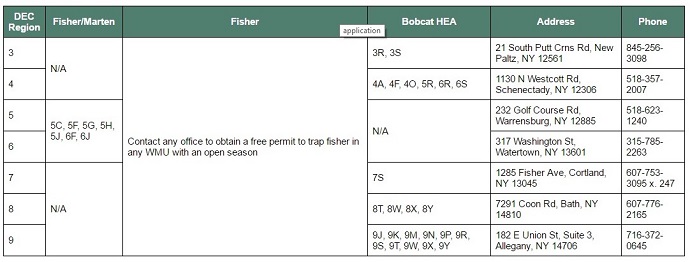
| Furbearer Trapping and Hunting Seasons Start October 25 Fisher, Marten and General Trapping Regulations Updated and Revised for Clarity Furbearer trapping and hunting seasons begin soon in many parts of the state, DEC Commissioner Basil Seggos announced today. Trappers should note changes to fisher and marten trapping seasons, as well as changes to some general trapping regulations. "New York has a strong tradition of furbearer trapping and hunting, and the community that enjoys and contributes to this tradition is a vital partner in managing this resource in a sustainable manner," Seggos said. "Hunters and trappers' input and concerns were an important part of the changes made to fisher trapping seasons beginning this fall." While coyote hunting season began October 1 in much the state, hunting seasons for other furbearers such as bobcat, raccoon, and fox begins October 25. Trappers should be aware of changes to trapping regulations for fisher beginning this fall, including the requirement of a special permit and expanded opportunity for fisher in select Wildlife Management Units in central and western New York. The changes to the fisher trapping season include: New six-day season in Wildlife Management Units 4O, 4F, 7A, 7M, 7P, 7R, 7S, 8T, 8W, 8X, 8Y, 9J, 9K, 9M, 9N, 9P, 9R, 9S, 9T, 9X, and 9Y in central and western New York beginning October 25; Shorter season for fisher and marten in Adirondack Wildlife Management Units 5C, 5F, 5G, 5H, 5J, 6F, and 6J to 30 days with the season beginning on November 1; and All fisher and marten trappers are required to obtain a special, free permit from their regional wildlife office, submit a trapping activity log, and submit the skull or jaw from harvested fishers and martens. This permit allows DEC biologists to collect important biological information on the animals, learn more about this popular game species, and ensure the harvest is sustainable. This fall will be the fourth season for the bobcat "Harvest Expansion Area" (HEA) in Wildlife Management Units 3R, 3S, 4A, 4F, 4O, 5R, 6R, 6S, 7S, 8T, 8W, 8X, 8Y, 9J, 9K, 9M, 9N, 9P, 9R, 9S, 9T, 9W, 9X, and 9Y. The season in the HEA runs from October 25 through November 18. Bobcat hunters and trappers in the HEA are required to obtain a special, free permit from their regional wildlife office; however, bobcat hunting/trapping activity logs and submission of the bobcat skull, jaw, or carcass are no longer required. To obtain a free fisher, fisher/marten, or bobcat HEA permit, hunters and trappers should contact the regional wildlife office (see table below) or apply by e-mail. Only one fisher or fisher/marten permit is needed to trap these species anywhere in New York where the season is open, and only one bobcat permit is needed to hunt or trap bobcats in the HEA. Hunters and trappers must provide the following information: Name DEC ID # (from license or back tag) Mailing address Phone or e-mail Species (fisher, fisher/marten, bobcat) If requesting a permit by e-mail, include the county or WMU where you plan to hunt (bobcat) or trap (fisher, marten, or bobcat). To apply by e-mail: wildlife@dec.ny.gov; type "Fisher/Marten Permit" or "Bobcat Permit" in the subject line. To apply by phone or in-person: Trappers should also be aware that beginning this fall there are modifications to some general trapping regulations. Minor revisions clarify the intent of regulations and make it easier for trappers to understand and law enforcement officers to implement. Resources on DEC's Website: Trapping Regulations Furbearer Hunting Fisher and Marten Trapping Seasons Bobcat Hunting Seasons Bobcat Trapping Seasons Hunting and Trapping Regulations Guide |